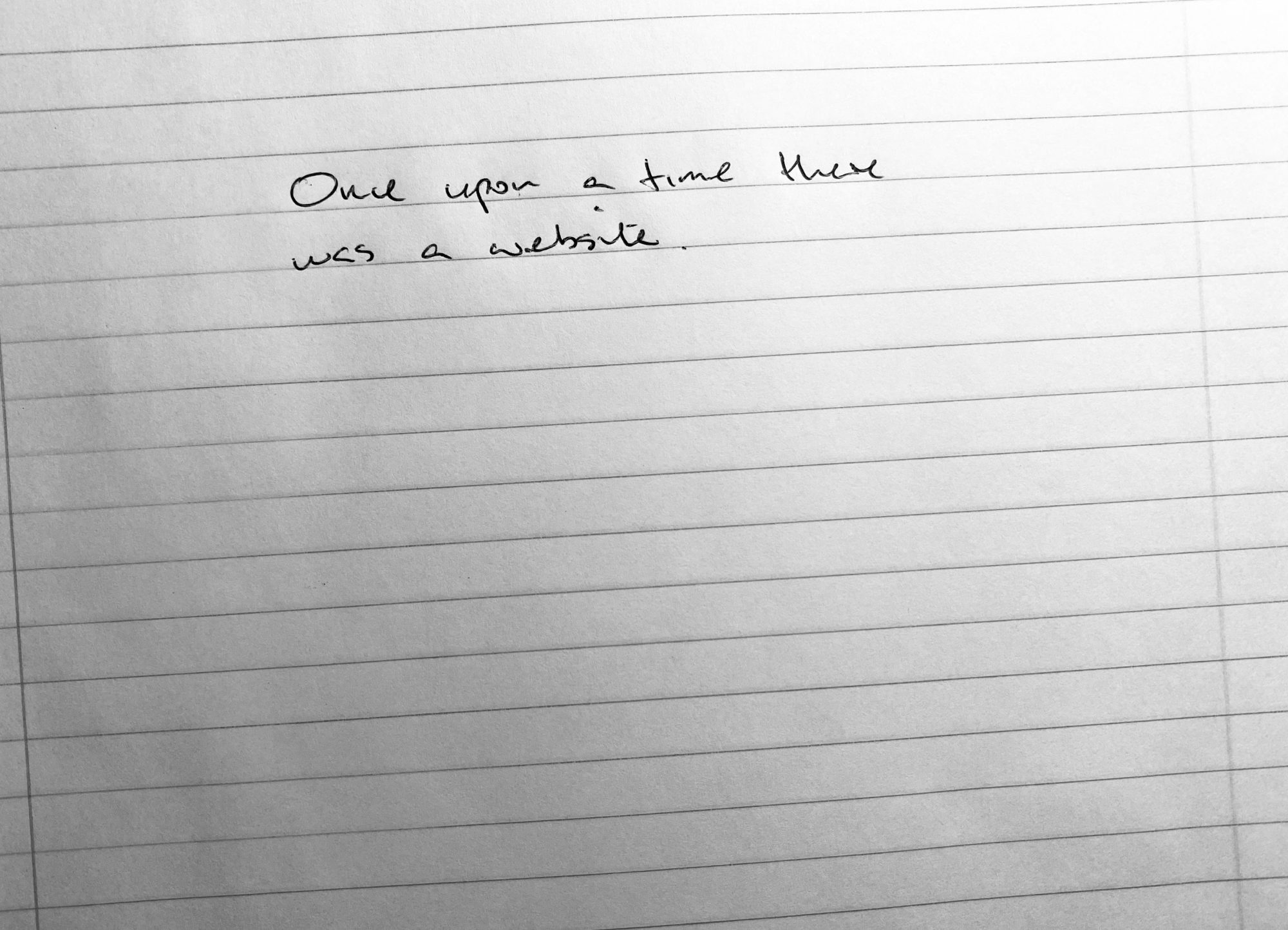
“The lack of a suicide note is pivotal. In my opinion, it is definitive evidence against suicide and is contrary to everything else we know about her … For Ulrike Meinhof to commit suicide without leaving a suicide note is impossible.”
–Dr. Meyer, in his report for the International Investigation Commission (IUK), 1979
Despite being heard tapping away on her typewriter until late into the night she died, Meinhof did not leave a suicide note. The absence of such a note, and with it a ready-made and definitive interpretation, has given rise to endless speculation about the circumstances of her death. The resulting theories surrounding her demise are perhaps the most enduring of the RAF legacies. At the same time, however, it is impossible to discuss her death without also addressing the deaths of Andreas Baader, Gudrun Ensslin, and Jan-Carl Raspe a little over a year later, because the reception of the events have tended toward a popular, vague conflation: the “Stammheim myth”. This bundle of theories merges a number of interpretative threads, such as suicide as a desperate act, suicide as a defiant or even saintly rebellion, suicide as murder staged as suicide, suicide as suicide staged as murder, and simply suicide as murder. This pattern of interpretation was activated when Meinhof was found dead, and reactivated with the deaths of the remaining members of the RAF core. It also underpins much of the sustained interest in the group as well as the martyrdom of the key RAF figures that motivated sympathizers and members into the 1990s. Putting the events of May 9, 1976, and October 18, 1977, in their historial contexts makes clear the manner in which the reaction to them evolved. it also reveals the role Meinhof played in shaping the reception of her own demise. While not leaving a note, her writings helped define a discourse on suicide that gave limits and direction to interpretations of the death.
 leith passmore