
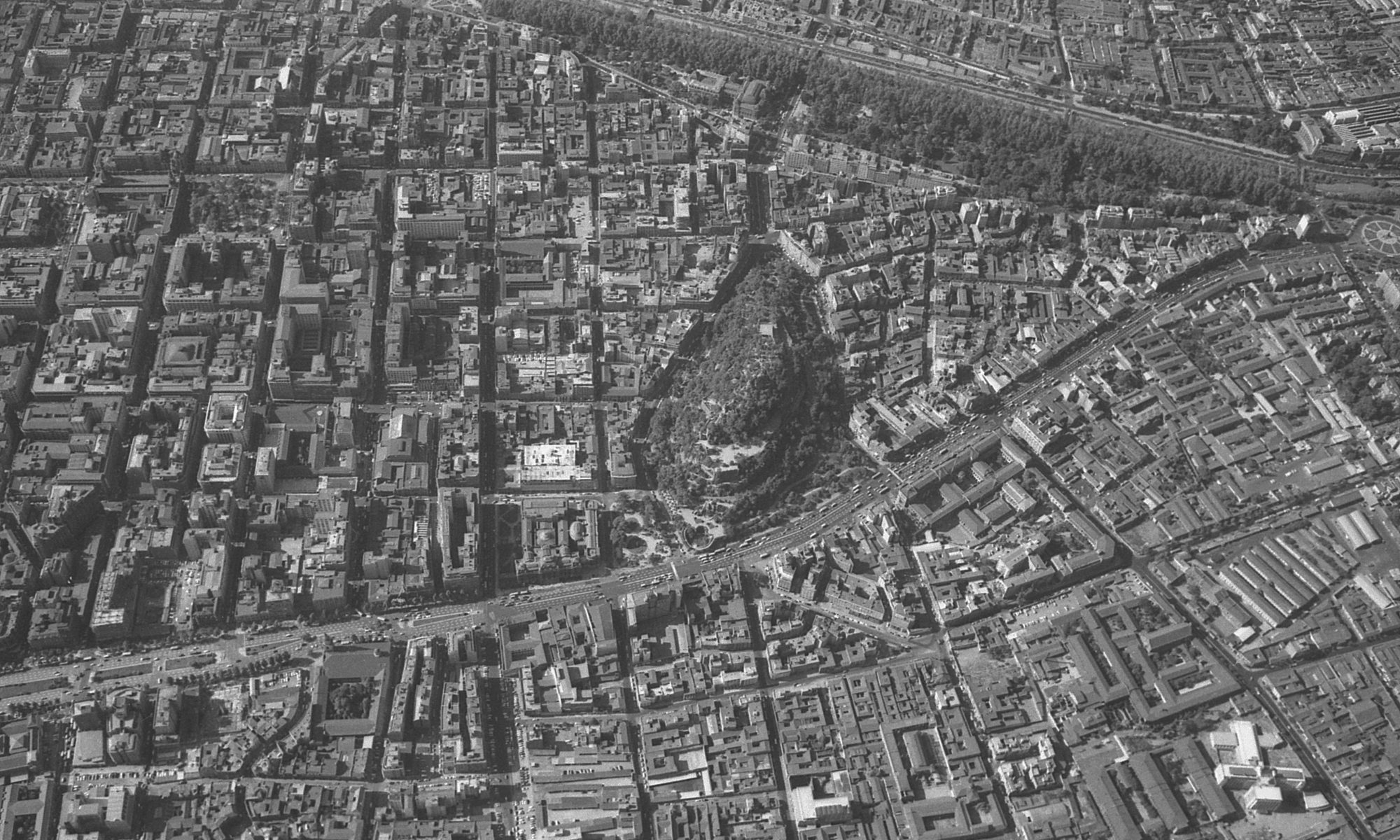
Abstract: Economic crises during Chile’s civic–military dictatorship (1973–90) forced a growing number of people onto the streets, including women who commuted from peripheral neighbourhoods to beg in downtown Santiago. Under military rule, impoverished women in public spaces became a police problem. Despite their constant presence on the streets throughout the twentieth century, Chile’s begging laws were rarely applied to women, except for a brief period under Pinochet, when begging emerged as a female crime in Santiago. This paper examines female begging and the policing of female begging, revealing both to be framed as a defence of the family.
Resumen: Las crisis económicas durante la dictadura cívico-militar en Chile (1973–90) forzaron a un creciente número de personas a trabajar en la calle, entre ellas mujeres que se trasladaban de barrios periféricos a pedir limosna en el centro de Santiago. Bajo el régimen militar, mujeres empobrecidas en espacios públicos se volvieron un problema policiaco. Pese a su constante presencia en las calles a lo largo del siglo XX, las leyes contra la mendicidad fueron raramente aplicadas a las mujeres, salvo durante un breve periodo de la era Pinochet cuando pedir limosna emergió como un delito femenino en Santiago. Este artículo examina la mendicidad femenina y su tratamiento policiaco, enmarcados ambos como una defensa a la familia.
Citation: Leith Passmore, “Defending the Family: Female Begging and the Policing of Female Begging on the Streets of Pinochet’s Santiago (1973–90),” The Journal of Latin American Studies 52:2 (2020): 521-543.
If you are interested in reading the article, but do not have institutional access, email me at leith.r.m.passmore_at_gmail.com.
I made this mini-documentary based on the research article:
Hice este mini documental basado en el artículo:
 leith passmore